
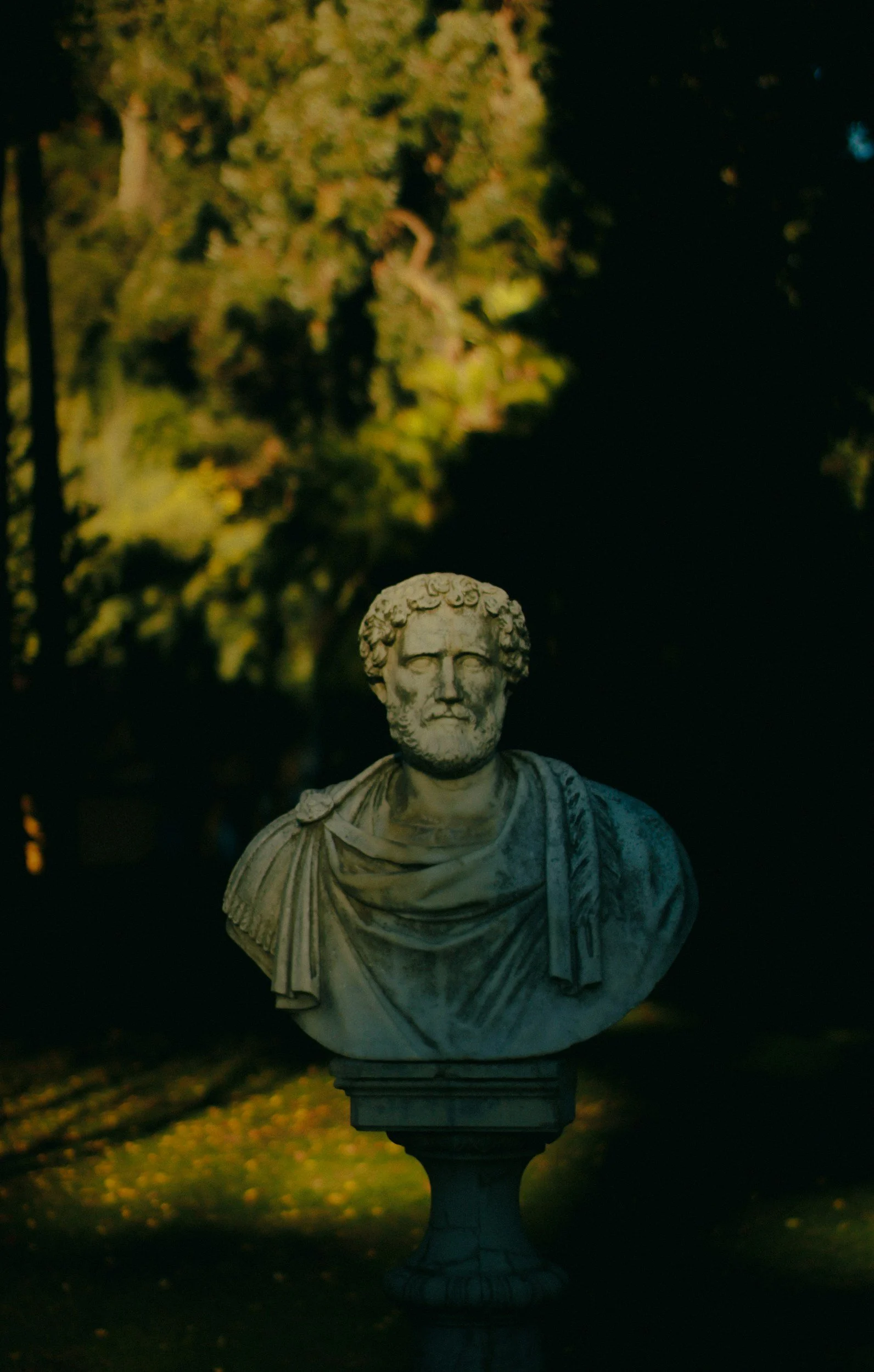
“Why is it that all men who are outstanding in the arts are melancholic?”
— Aristotle
Artists and creatives have been the heartbeat of humanity.
They have shaped our cultures, challenged convention, given form to the invisible, and expressed what words alone could never hold.
But at what cost?
*Research has consistently found high rates of mental health challenges among artists and creative populations. In one study, 80% of creative writers experienced an affective disorder, compared with 30% of matched controls.
The very people who give so much beauty, meaning, and expression to the world often carry an extraordinary inner burden themselves.
It’s time we care for the artist Soul, not just the art.
*Andreasen, N. C. (1987). Creativity and mental illness: Prevalence rates in writers and their first-degree relatives. American Journal of Psychiatry, 144(10), 1288–1292
DO YOU HAVE AN
ARTISTIC
TEMPERAMENT?
An artistic temperament is about more than being an artist. It is a way of experiencing the world — deeply, intuitively, emotionally, creatively, and often intensely.
You may recognize yourself in some of these characteristics:
Emotionally sensitive and highly reactive
Creative and expressive
Both introverted and extroverted
Highly perceptive and intuitive
Independent or spontaneous
Deeply inspired or intense
Prone to self-doubt
Drawn to beauty and nature
Difficult to put into a box
Source & AttributionThese characteristics are adapted from descriptions of the “Artistic” personality type presented by PTypes . This description is intended as a temperament framework for self-reflection, not as a clinical diagnosis.Does This Sound Like You?
If you see yourself in many of these characteristics, you may have an artistic temperament — whether or not you have ever called yourself an artist.
Artists and creatives often experience the very qualities that fuel their gifts as sources of vulnerability as well.
The Alithia Project exists for this intersection:
helping artists and creatives Navigating mental health challenges and providing resources for recovery.
You do not have to lose your sensitivity to become stronger.
You can learn to understand it, care for it, and create a life in which your gifts can flourish.